

Undiagnosed patients: living with a rare disease in uncertainty
Each year, Undiagnosed Diseases Day invites us to shed light on a reality that remains little known within the field of rare diseases: that of thousands of people living with symptoms, limitations and unmet needs, without being able to put a name to what is happening to them. Not having a diagnosis does not mean not having a disease, but it does mean living with constant uncertainty that permeates daily life, medical decisions and families’ emotional well-being.
At Share4Rare, we want to dedicate this day to addressing this reality from a broad perspective: the experiences of families, the value of support, and the role of science and community while a diagnosis has not yet arrived.
What does it mean to live without a diagnosis?
In the context of rare diseases, a diagnosis is much more than a clinical label. It is a tool that helps to understand what is happening, to plan care, to access resources, possible treatments and social support, and to connect with other people in similar situations. However, for many people, this moment is delayed for years or may never come.
When it does not arrive, the path is often marked by continuous medical tests, incomplete answers and a persistent feeling of waiting.
This situation creates particular vulnerability. Medical uncertainty is compounded by the difficulty of explaining the disease to others, the feeling of not fitting into existing healthcare pathways and the lack of clear references. Not having a name for the disease makes it harder to plan for the future and increases emotional vulnerability for both people affected and those who care for them. For this reason, giving visibility to what it means to live without a diagnosis is a key step in better understanding the needs of this community.
Uncertainty from the inside: families’ voices
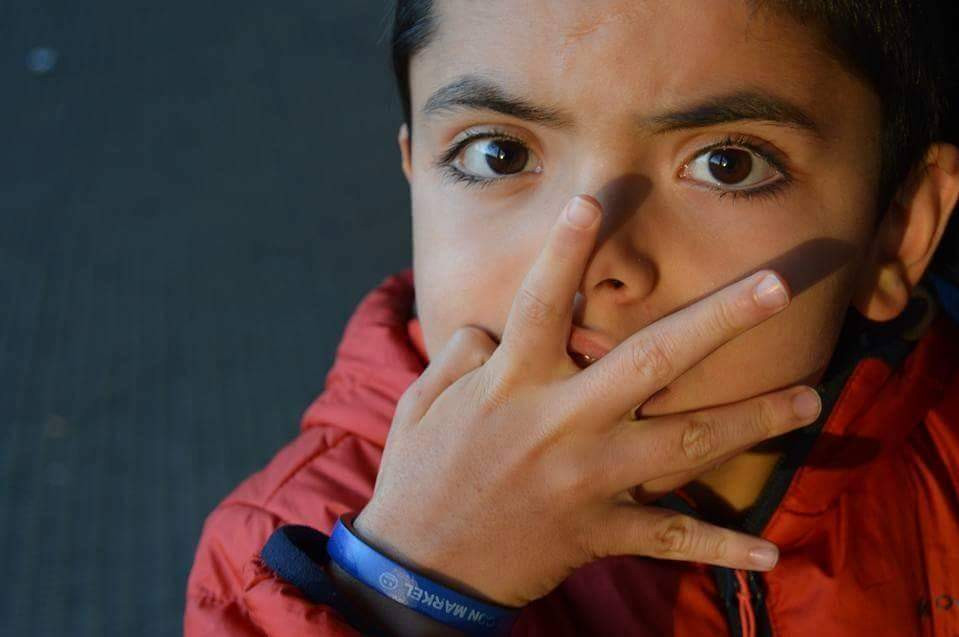
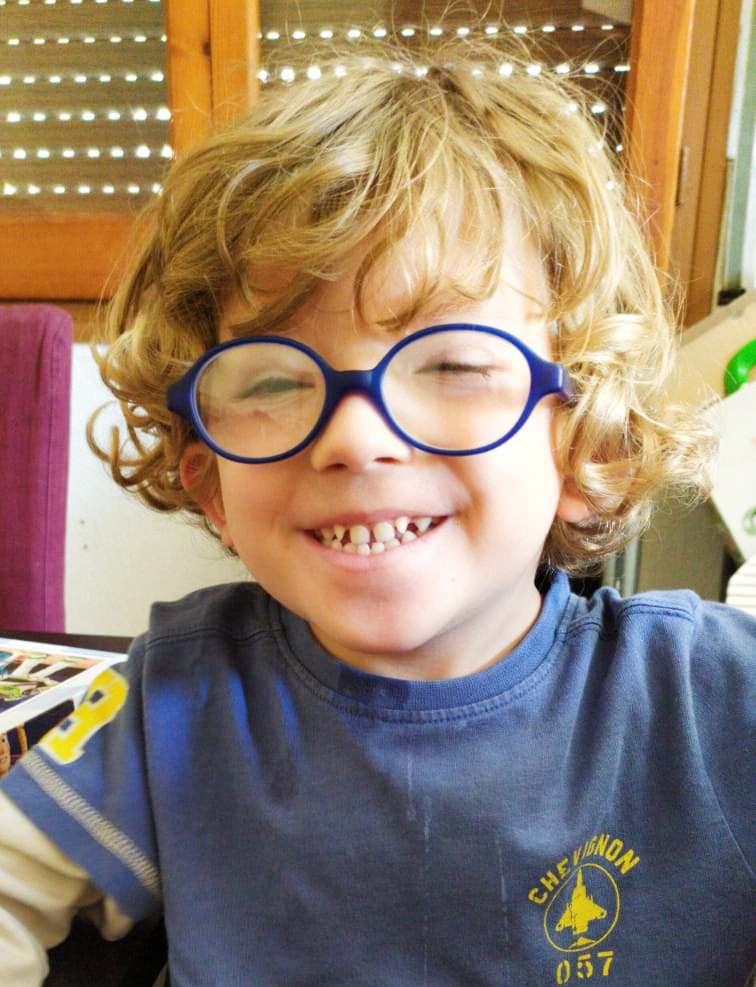
People and families living without a diagnosis have been putting words to this experience for years. On this blog, we have shared testimonies such as those of Markel (Markel’s story: the uncertainty of living without a diagnosis) or Edu (A disease with no name: Edu’s story), which show how uncertainty becomes part of everyday life and affects every aspect of it.
These voices are also present in the episode “Undiagnosed: navigating uncertainty” (only in Spanish) of the podcast La Ciencia de lo Singular, where two caregiving mothers share what daily life is like without a diagnosis. Their testimonies reflect a reality shaped by fear, exhaustion and frustration, but also by resilience and the strength to keep going.
Uncertainty affects not only the present, but also the future: not knowing how the condition may evolve, what support will be needed or how family life should be adapted. This is often compounded by a lack of social understanding and the difficulty of explaining a situation for which there are no clear answers.
These testimonies remind us that, beyond data and clinical processes, we are talking about people who need to be listened to and supported.
Supporting families while a diagnosis arrives (or not)
Although a diagnosis is fundamental, it cannot be the only focus of care. In the podcast episode, professionals from Hospital Sant Joan de Déu Barcelona explain the importance of support programmes for children without a diagnosis and their families, offering a holistic approach that goes beyond the search for a clinical answer.
This support includes coordinated medical care, psychological support and a space where families feel heard and understood. Initiatives like these show that it is possible to care even when there are no definitive answers, and that people’s well-being must remain at the centre throughout the process.
This approach also connects with initiatives such as the webinar “Living without a diagnosis: a session for patients and families”, held a few years ago to create a space for meeting, listening and mutual support. Because even in the absence of a diagnosis, it is possible — and necessary — to care.
You can watch the session here (in Spanish):
Science and research: moving forward in the face of uncertainty
Research is a key component in reducing diagnostic delays. In the podcast episode, researchers from CIBERER explain how disciplines such as genetics, omics sciences and bioinformatics work together to identify rare diseases and accelerate diagnosis.
These advances are not immediate, but they represent a source of hope for thousands of families. Each new discovery, each shared dataset and each collaborative project brings us closer to naming diseases that have remained unknown for years.
At Share4Rare, we have also explored how the participation of patients and families helps generate knowledge and improve understanding of undiagnosed diseases, as explained in this article. Every shared data point and every lived experience matters.
Community as a source of support
Living without a diagnosis can be an isolating experience, but it does not have to be lived alone. The Share4Rare community is an example of how collaboration between patients, families, healthcare professionals and researchers creates a space to share doubts, learn and feel supported — and to share knowledge, experiences and data with a common goal: improving the lives of people with rare diseases, diagnosed or not.
The article “The case of undiagnosed profiles in Share4Rare” highlights how building community is also a way to move forward, even when answers are slow to arrive.
Looking to the future without leaving anyone behind
On World Undiagnosed Day, we reaffirm our commitment to those living with uncertainty. Continuing to promote research, giving visibility to their experiences and strengthening spaces of support is essential to ensure that no one is left behind.
Giving visibility to people without a diagnosis is a way of recognising their reality and reaffirming our commitment to them. Because while science continues to move toward diagnosis, support, listening and community can already make a real difference.