Neuromuscular diseases: understanding, adapting and building community
What are neuromuscular diseases?
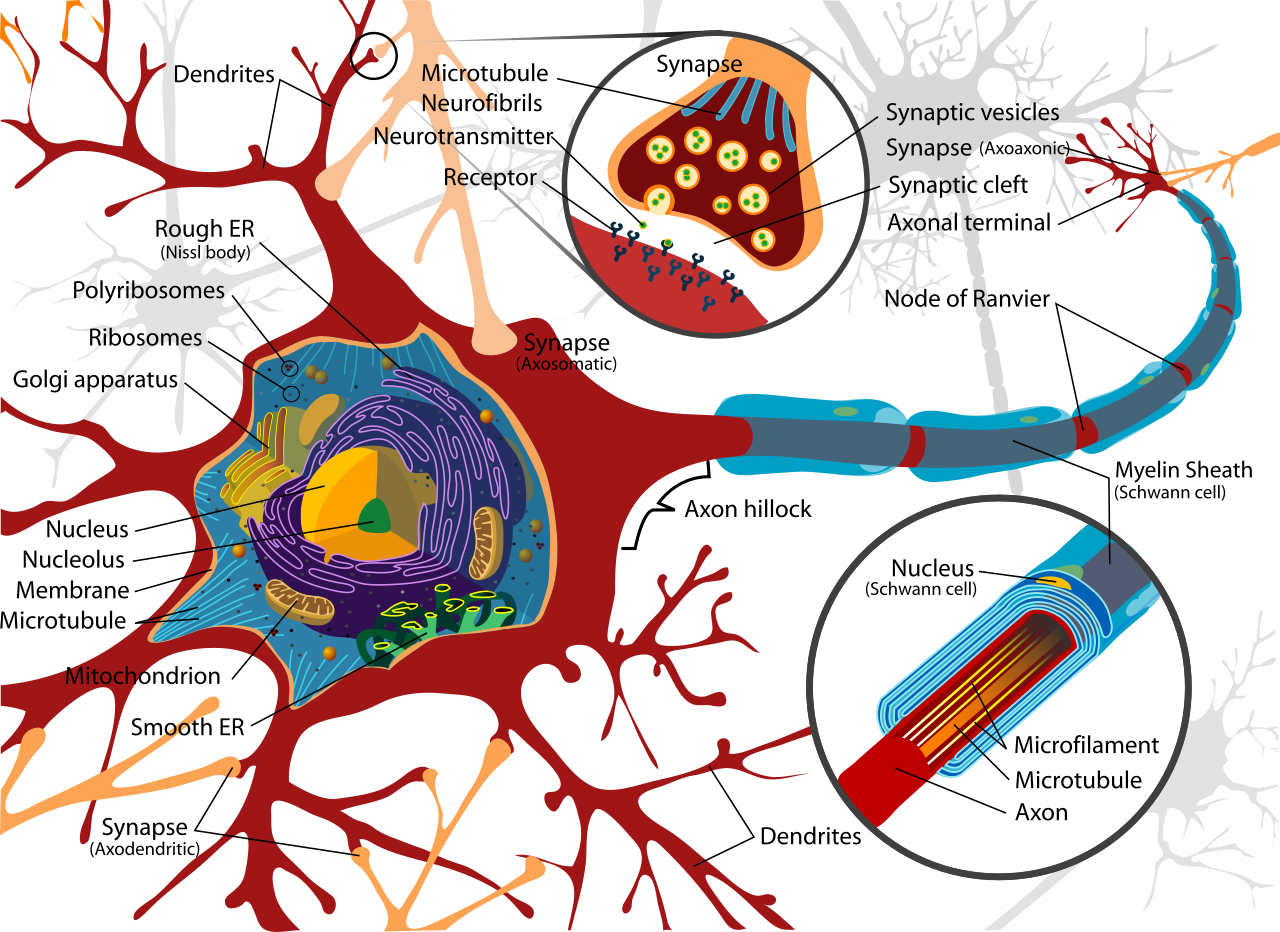
Neuromuscular diseases (NMDs) are a group of more than 150 conditions that can affect the nerves that control muscles, the muscles themselves, or the communication between nerves and muscles. The motor unit consists of the motor neuron, the peripheral nerve, the neuromuscular junction, and the muscle. If any of these components malfunctions, the muscles lose strength and deteriorate. The causes can be genetic, autoimmune, or acquired.
They are considered rare diseases, as they affect fewer than 1 in 2,000 people. Although individually uncommon, collectively they represent a significant number of chronic illnesses. They can appear from early childhood to adulthood, and while each has its own characteristics and progression, they share a common challenge: adapting to the changes they bring.
How they manifest
Symptoms can vary, but the most common are:
- Debilidad y pérdida de tejido muscular progresiva, que puede empezar en piernas, brazos o músculos respiratorios.
- Fatiga intensa, que no mejora con el descanso.
- Dolor.
- Dificultad para caminar, tragar o respirar en fases avanzadas.
- Alteraciones cardíacas y, en algunos casos, pérdida de visión.
- Progressive muscle weakness and loss, which may begin in the legs, arms, or respiratory muscles.
- Intense fatigue that does not improve with rest.
- Pain.
- Difficulty walking, swallowing, or breathing in advanced stages.
- Heart conditions and, in some cases, vision loss.
They usually appear gradually, which sometimes delays diagnosis. Most are progressive and incurable, which can lead to varying degrees of disability, loss of independence, and a significant emotional and psychosocial impact on both the affected person and their family.
Among the most frequent neuromuscular diseases are:
- Muscular dystrophies, such as Duchenne or Becker
- Spinal muscular atrophy (SMA)
- Myasthenia gravis (MG)
- Amyotrophic lateral sclerosis (ALS)
- Hereditary neuropathies, such as Charcot-Marie-Tooth disease
All of them require specialized follow-up and a comprehensive approach from different specialists.
How they affect daily life: a process of constant adaptation
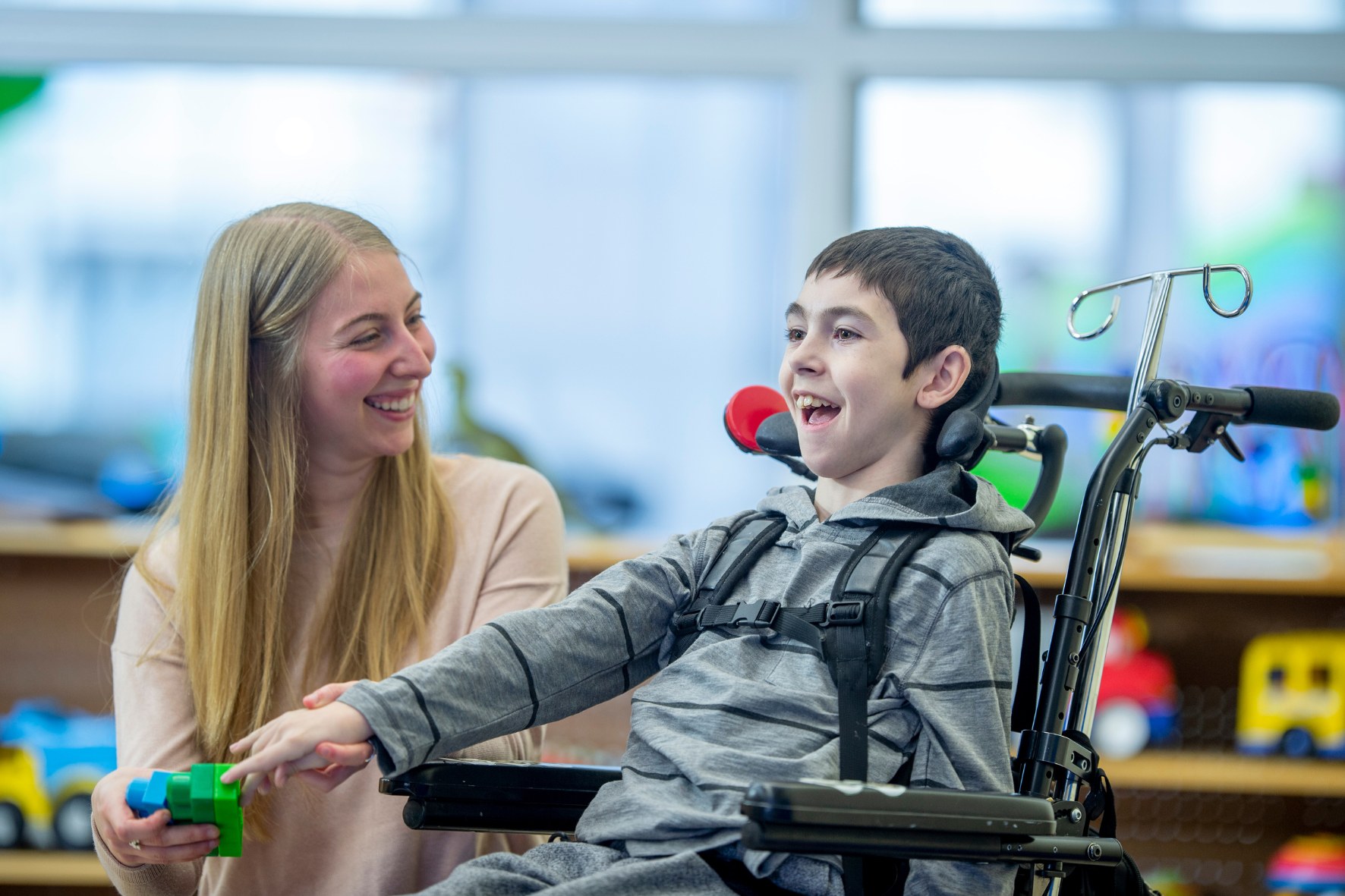
Receiving a neuromuscular disease diagnosis is a turning point and implies a profound change. In the words of Verónica Armento, a member of the Board of Directors of ASEM Catalunya: “The diagnosis is like a hurricane that changes everything. […] Living with an NMD means undergoing a continuous process of adaptation to the new conditions that arise. […] It is a constant grieving process.”
Diseases progress over time, so needs change: adapting to an orthosis, learning new ways to perform daily activities, or accepting the use of a wheelchair are steps that require time, support, and emotional accompaniment.
NMDs can affect vital functions such as breathing and swallowing, which increases the need for specialized care and social support. Added to this are external barriers such as accessibility, misinformation, and a lack of adequate resources.
The impact is not only physical: uncertainty and a sense of loss are common and can affect both the individual and their family.
Treatment and care: the value of a multidisciplinary approach
Aunque la mayoría de las ENM, a día de hoy, no tienen cura definitiva, existen tratamientos y apoyos que mejoran la calidad de vida de manera significativa:
Although most neuromuscular diseases currently have no definitive cure, there are treatments and support systems that significantly improve quality of life:
- Physical therapy and rehab to maintain mobility.
- Respiratory and nutritional support to prevent complications.
- Immunomodulatory medications, when the cause is autoimmune.
- Speech therapy, especially for swallowing difficulties.
- Psychological support to address uncertainty, stress, and associated grief.
- Social work to provide guidance on resources, services, and accommodations.
The approach should be multidisciplinary, with the coordinated work of health, social and educational professionals: neurologists, physiotherapists, psychologists, speech therapists, pulmonologists and social workers.
The essential role of patient organizations: comprehensive support and community
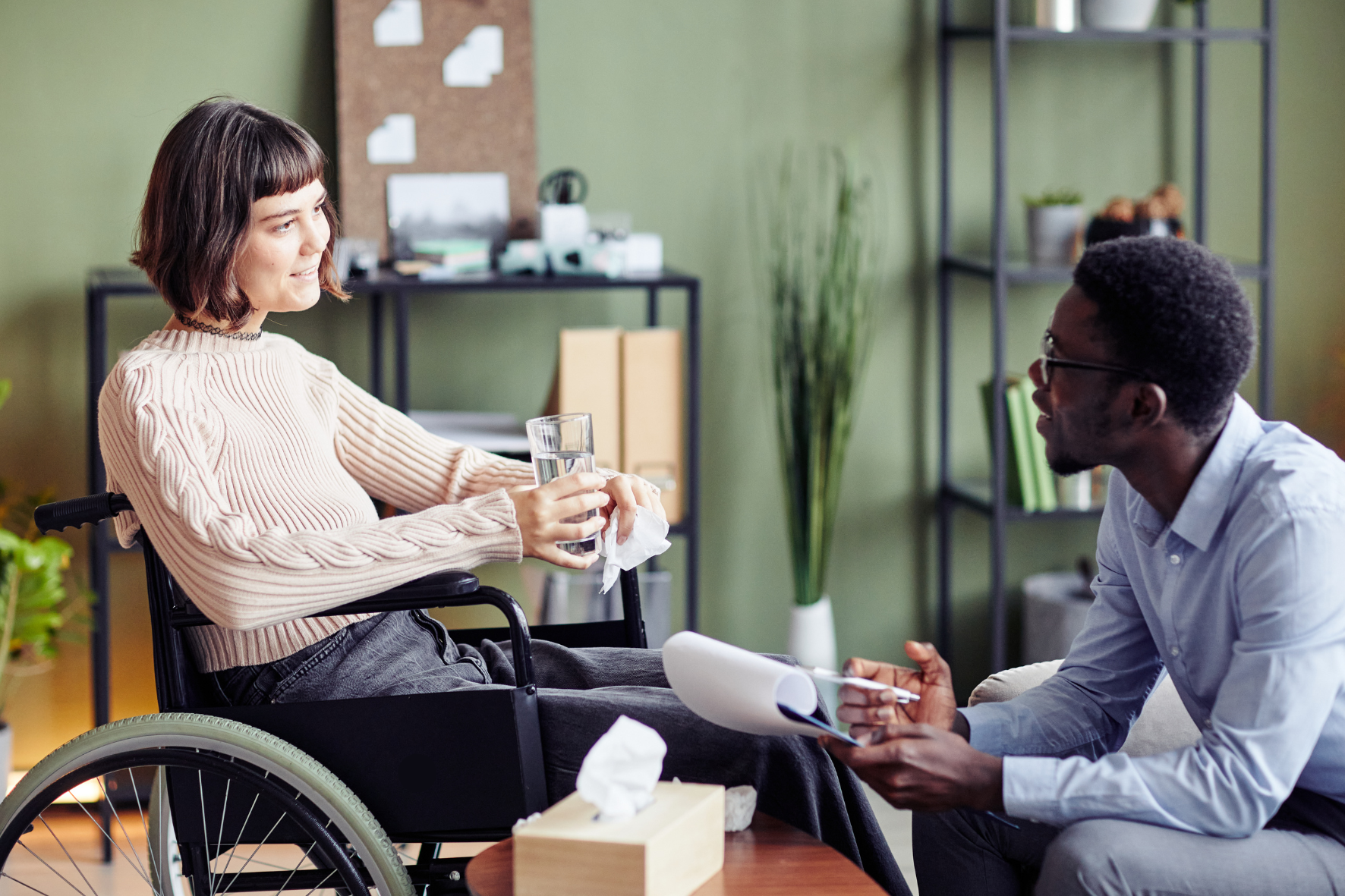
Faced with physical, emotional, and social challenges, patient organizations like ASEM Catalunya are a fundamental pillar. As Verónica Armento explains: “ASEM Catalunya is a psychosocial support center that puts the individual first. It offers guidance and information on resources and social benefits, health, housing, employment, and education. It provides support to those affected and their families, as well as psychological care. It also offers information sessions, recreational and cultural outings, exercise workshops, and a book club. In addition, we have a choir and a podcast.”
But, beyond the services, these entities create community:
“Here, we members find a home where we feel understood and supported. We speak the same language, we understand each other's difficulties, and we celebrate both small and great achievements,” Armento emphasizes.
On November 15th, ASEM Catalunya celebrated its XV Gala de Premios Fem Pinya, an event held annually on National Neuromuscular Disease Day. Verónica tells us that this year they presented an award to young member Braima Mané: “Upon receiving the award, he told us how ASEM Catalunya had helped him through one of the most difficult moments of his life: accepting the need for a wheelchair. At that time, he joined the organization's youth group, where others supported him by sharing their experiences with wheelchairs and all the possibilities and opportunities they offer. Now Braima plays wheelchair football, actively collaborates with the organization, and is a source of inspiration for others.”
Research and future
Research is progressing, but not always at the pace families need. “For rare diseases, the timelines are longer, often seeming endless. However, every advance and every medication developed for a rare disease offers hope for others,” Verónica points out. “ASEM Catalunya provides psychosocial support, offering assistance to families during the wait for future treatments. Sustaining this process, providing information from experts about new advances, raising awareness about their importance, and ensuring access to treatment when it becomes effective are all part of the organization's research initiatives.”
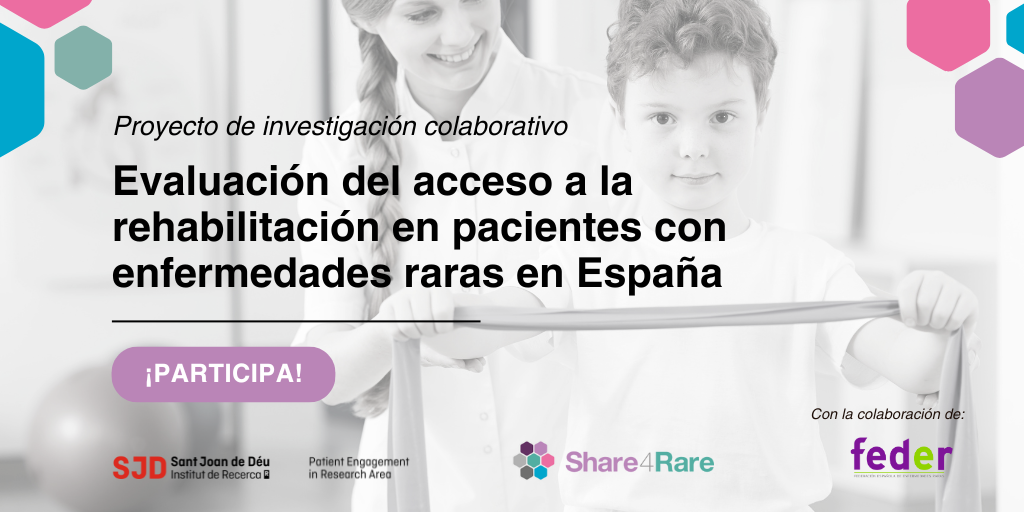
At Share4Rare, we promote studies that put the patient at the center and aim to improve their daily lives. These studies focus on quality of life, natural history of the disease, burden of the disease, patients' registries, and scale validation. One example is this study on access to rehabilitation services for patients with rare diseases in Spain (only in Spanish), which is open for participation until February 28, 2026.
Practical tips for everyday life
Verónica Armento shares some recommendations and advice for a person newly diagnosed with a neuromuscular disease:
- Contact a patient organization from the very beginning: reliable information, a support network, and emotional support.
- Adapt your environment: grab bars, ergonomic furniture, assistive devices.
- Simplify your routine: clothing with Velcro closures, adapted utensils, activity planning.
- Pay attention to your diet and swallowing: consult with a speech therapist and nutritionist if necessary.
- Daily breathing and postural exercises to maintain lung function and prevent pressure ulcers.
- Allow yourself to feel: “Crying, getting angry, or laughing will be more bearable at first, and easier later on.”
Visibility and inclusion: a collective effort
ASEM Catalunya promotes social and healthcare programs to improve coordination between professionals and institutions, with the support of a Committee of Experts (Neurology, Neuropediatrics, Pulmonology, Physiotherapy, Psychology, etc.). They also participate in working groups with institutions and other organizations. In addition, they give talks in schools and organize community events such as the Flashmob for International Day of Persons with Disabilities. In terms of communication, they publish the magazine Lligam, the podcast ARRASEM, and maintain an active presence on social media to break down barriers and foster a more inclusive society.
All these actions help reduce stigma, improve coordination, and promote a more inclusive society.
Veronica Armento's words remind us that, although neuromuscular diseases present significant challenges, there is also a growing network of support and hope. Patient organizations like ASEM Catalunya are a fundamental pillar, ensuring that patients and families do not feel alone on this journey.