

Share4Rare Pilot for Rare Neuromuscular Diseases
We are pleased to announce that we will soon be ready to start the research projects on the S4R platform. The ‘My Studies’ area will provide an opportunity for researchers to submit surveys to the S4R
How to tell your child about his/her rare disease
Rare chronic diseases are common enough, affecting 6-10% of the population and have a great negative psychological and physical effect on patients and their families. Men, women but also children may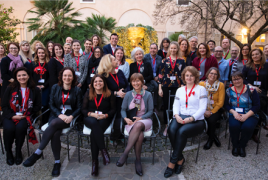
WDO Member Meeting
The main aim of the WDO Member Meeting was to gather patient organizations, scientists, researchers and experts working in the Duchenne field to share and build on each other’s knowledge to create
RareHacks: uniting experts to build the future of the rare disease community
What is RareHacks? RareHacks is a hackathon event that brings you the opportunity to apply data science tools, including machine learning and natural language processing algorithms, to a real
The POWER-tool: a new effective method that helps involving patients in clinical trial design
Research on rare diseases is often difficult to perform mainly because there are only a small number of cases to study, resulting in a vaguely representative statistical analysis of the data. For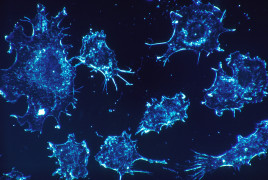
Cancer therapies assessment indicators need to be reviewed according to a novel study
A recent publication on JAMA Internal Medicine refutes any association between progression-free survival (PFS) and health-related quality of life ( HRQoL) in cancer patients. In other words, delaying