

“Breathing Better to Live Better”: A Conversation with Mariano Pastor, President of Alfa-1 España, on Respiratory Physiotherapy, AATD, and the Value of Data
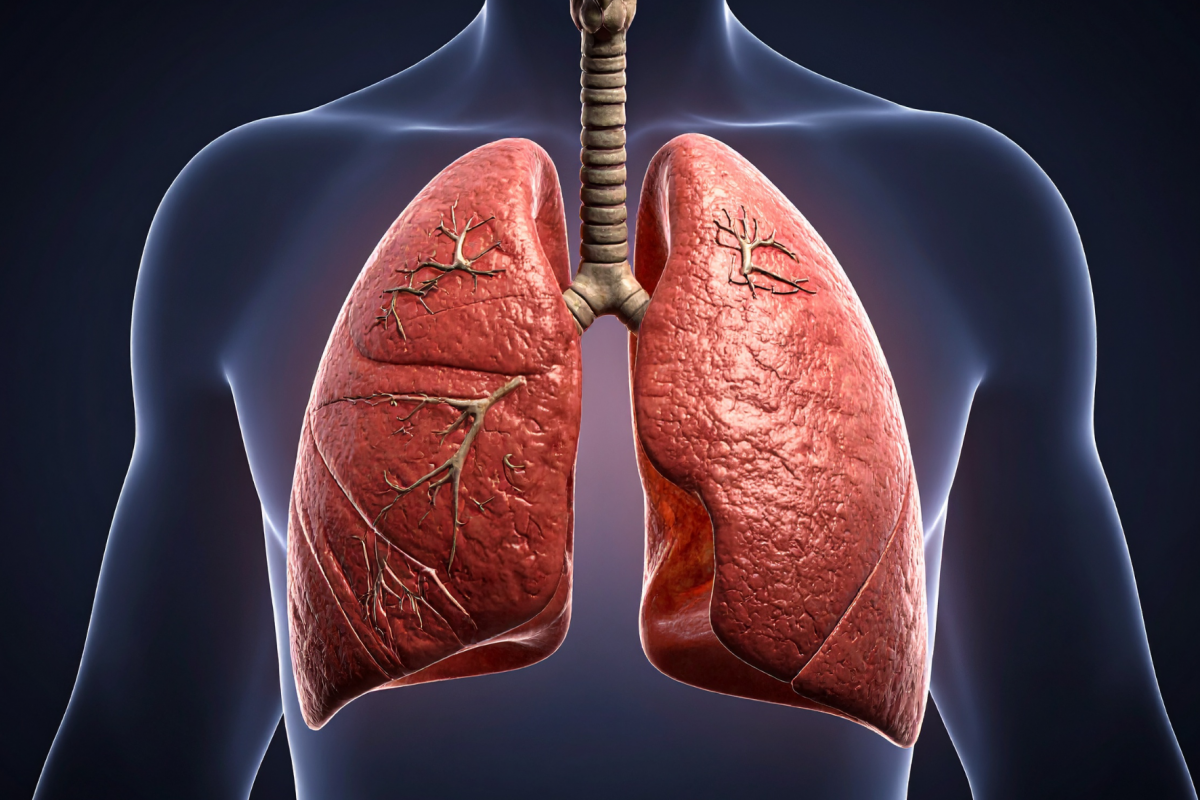
When you lack a protein that protects your lungs and liver, every breath counts. Alpha-1 antitrypsin deficiency (AATD) is a genetic condition that predisposes individuals to liver disease and early-onset chronic obstructive pulmonary disease (COPD). Mariano Pastor, president of the Asociación Alpha-1 España, knows this firsthand.
Understanding AATD to Act Earlier
Mariano summarizes it this way: “Alpha-1 antitrypsin deficiency is not a disease itself, but a genetic condition that can lead to illness. In my case, COPD is what truly impacts my life.”
The problem is that the diagnosis is often delayed, since “we are usually diagnosed with the deficiency after we are diagnosed with the associated diseases.” He himself was diagnosed with COPD at age 31 and with AATD at age 37, starting treatment two years later. “The treatment maintains protein levels, but it is not curative; the lost lung function cannot be recovered.”
Respiratory physiotherapy: essential, though still not easily accessible
For Mariano, and for those living with AATD and lung involvement, respiratory physiotherapy isn't just an add-on; it's fundamental to their management. “It's extremely important. Ideally, it should be done regularly every week and at least a couple of times a year in two-month programs. It's been shown that when you stop doing it, you lose it,” explains Mariano. This therapy helps you learn to breathe better, oxygenate yourself, and maintain muscle strength, which reduces the effort required for each breath. “Strong muscles consume fewer respiratory resources than weak muscles; strength training is very important, and it's even better if the respiratory physiotherapy is personalized,” adds Mariano.
However, the available services fall far short of the real needs: “We always talk about its importance, but it doesn't become a reality in the public healthcare system.” Specific programs, temporary projects, or university initiatives only reach a few: “I know few patients who have done as much physiotherapy as I have; not everyone can, it’s complicated.”
Added to this are the daily obstacles: travel, dependence on others, limited professional availability, and lack of continuity. “Many are told to exercise, but it’s not so easy without guidance, and without follow-up, the progress made is lost.”
“Ideally, physiotherapy should be done regularly. It's been shown that when you stop doing it, you lose it.”
More than just exercise: support, overcoming fears, regaining independence
Physical therapy isn't just about technique; it's also about confidence. “It helps overcome the fear of dyspnea. The more you exercise, the less shortness of breath you experience; the less you do, the more afraid you become.” But maintaining a routine at home is difficult: “It can be done, but it's been shown that when you stop in-person sessions, you lose progress.”
To reduce these gaps, Alfa-1 España will launch an online group physical therapy program: a way to facilitate access for more people, although it doesn't replace in-person, individualized care.

The power of patient organizations
When you receive a diagnosis like this, the emotional impact is enormous. “Some patients take it very badly. Sharing with others like yourself helps you understand things differently,” explains Mariano. Many people with AATD feel misunderstood because their disability is “invisible”: “Since we don’t have a visible disability, it seems we have to justify ourselves for not being able to do things. Those around us think we become lazy. We understand each other.”
Organizations like Alfa-1 España support, train, and connect patients with professionals and research. In addition to new programs, like the respiratory physiotherapy program opening soon and another on nutrition, the organization organizes in-person meetings and adapted activities, such as Camino de Santiago routes for patients. “This support is one of the things we are most proud of.”
“Data is essential: with it we can demonstrate needs and request resources.”
Why Data Matters: The Share4Rare and FEDER Rehabilitation Study
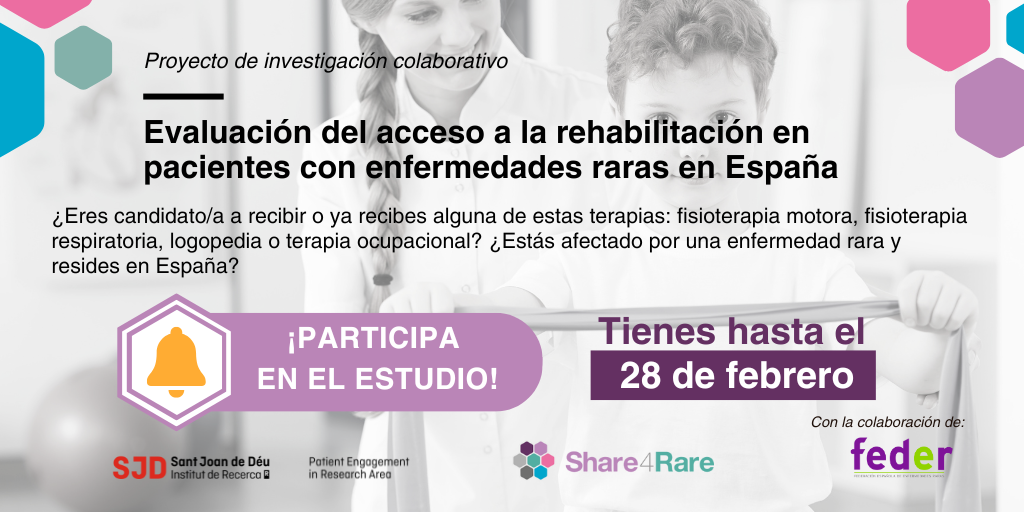
In a context where needs clearly outweigh resources, having real patient data is crucial; having evidence is not a luxury, it is the lever that allows us to plan services and demand improvements. Regarding his participation in the Share4Rare and FEDER study on access to different types of rehabilitation, which includes respiratory physiotherapy, Mariano is clear: “This type of studies help us understand the reality. Good conclusions can be drawn from a study; data is essential.”
These studies allow us to quantify something that patients already know: that respiratory physiotherapy works, improves their quality of life, and should be an accessible service for everyone. “What will emerge is that physiotherapy is necessary and beneficial; now we need resources to invest in it.”

What this conversation teaches us
- AATD is not a disease, but a genetic condition that predisposes individuals to COPD and liver damage: identifying it as early as possible makes all the difference.
- Respiratory physiotherapy is key: it improves exercise tolerance, reduces shortness of breath, and preserves function—but continuous access, with in-person programs, is needed.
- Patient organizations are a driving force for change: they provide support, training, connect with research, and build community.
- Patient data is the foundation for transforming services: studies like this by Share4Rare and FEDER allow for prioritization and planning.
“We understand each other as equals. The support of the organization helps you accept and cope with the illness as best as possible.”
Mariano's story reflects a shared reality: AATD requires early diagnosis, appropriate treatments, and, above all, access to continuous respiratory rehabilitation. Breathing better to live better: that is the promise of respiratory physiotherapy. While research progresses, physiotherapy, support among equals, and data provided by patients themselves remain the most direct path to promoting programs and improving the daily lives of those living with a rare disease.