

Empty nose syndrome: when breathing stops being automatic
Breathing is something we do without thinking. An automatic act that accompanies every moment of our lives. But for people living with Empty Nose Syndrome (ENS), breathing can become a conscious, constant, and profoundly distressing experience.
It is a little-known clinical condition that can appear after certain nasal surgeries and can have a huge impact on quality of life. However, it is difficult to recognize, and many affected individuals spend years searching for answers before receiving a diagnosis.
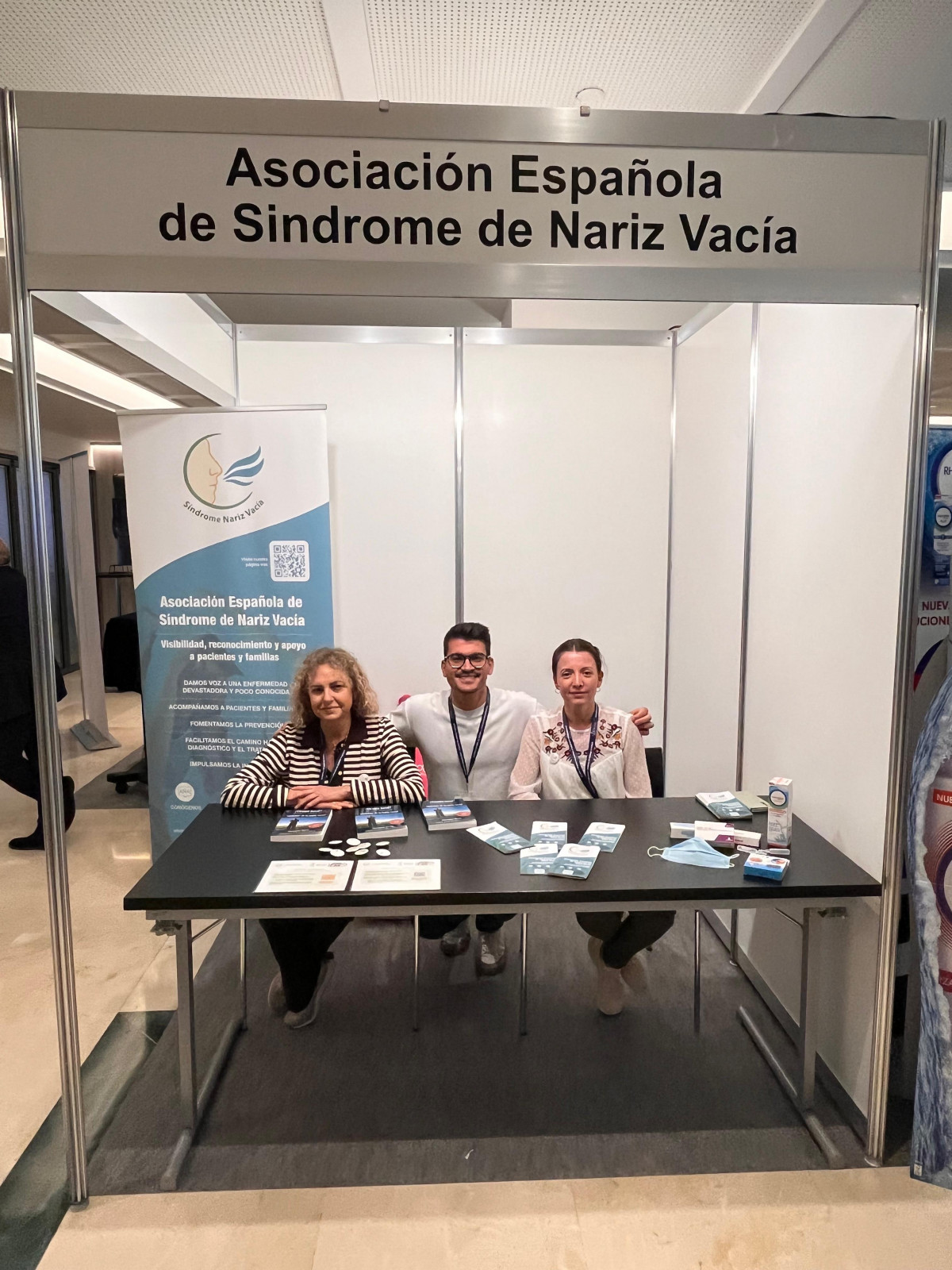
To mark the addition of the Spanish Empty Nose Syndrome Association (AESNV, by its Spanish acronym) to the Share4Rare community, we want to raise awareness of this condition and the work the organization does to support patients and their families. Therefore, we spoke with Isabel Rubio, founder and president of the association.
What is empty nose syndrome?
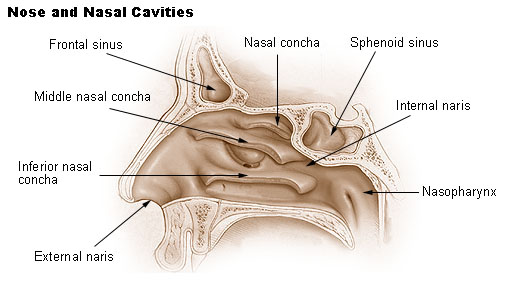
Empty nose syndrome is a condition that can occur after certain nasal surgeries that alter the anatomy or function of the nasal turbinates.
The turbinates are structures located inside the nose that perform essential functions: they help regulate airflow, contribute to warming and humidifying the air, and provide sensory information necessary for perceiving normal breathing.
When these structures are damaged or altered, a person may experience a paradoxical sensation: although the nose appears open and clear, the person feels unable to breathe properly.
According to Isabel Rubio, founder and president of AESNV: “Many people describe it as feeling the air enter, but not perceiving it correctly; as if the nose were too open, dry or without resistance, but at the same time the breathing does not provide relief.”
El SNV es una condición compleja en la que intervienen alteraciones anatómicas, funcionales y neurosensoriales, por lo que va mucho más allá de un simple problema nasal.
The ENS is a complex condition involving anatomical, functional, and neurosensory alterations, so it goes far beyond a simple nasal problem.
Why does this happen?
The most frequent cause associated with ENS is a history of certain nasal or sinus surgeries, especially those affecting the turbinates, whether significant resections of nasal tissue or procedures considered conservative. Furthermore, it is still unknown why some people develop the condition while others, who undergo similar procedures, remain asymptomatic.
What is known is that turbinate damage can alter the way air circulates through the nasal cavity and how the brain interprets breathing.
Much more than a nasal problem
One of the aspects the organization emphasizes most is the need to understand that ENS doesn't only affect the nose.
“Empty nose syndrome is not a minor annoyance or a simple sensation of nasal dryness. It can alter something as basic as the perception of breathing and turn an automatic act, like breathing, into a conscious, distressing, and constant experience,” Isabel points out.
Some of the symptoms experienced by those affected may include:
- Constant feeling of shortness of breath or suffocation
- Paradoxical nasal obstruction
- Extreme nasal dryness
- Burning, pain, or irritation in the nostrils
- Sleep disturbances and insomnia
- Fatigue and difficulty concentrating
- Nervous system dysregulation
- Persistent state of alertness
- Impact on mental health, such as anxiety or depressive symptoms
The impact can also extend to social, familial, economic and work life, making everyday activities such as sleeping, working or maintaining a normal routine difficult.
An invisible and difficult-to-diagnose disease
Diagnosing ENS remains one of the biggest challenges for those affected. Currently, there is no single test that confirms the condition, and in many cases, a nasal examination does not reflect the intensity of the symptoms experienced by the patient. Therefore, a comprehensive assessment that considers both nasal anatomy and the symptoms reported by patients is essential.
“Often, the nose may appear normal or even too open in a conventional examination, while the person feels they cannot breathe properly,” explains Isabel.
The lack of awareness about the syndrome contributes to diagnostic delays and lengthy journeys through different medical specialties before finding answers.
Adding to this difficulty is the lack of a specific and standardized coding system within healthcare systems, which complicates its registration, monitoring, research, and administrative recognition.
Furthermore, some patients face misunderstanding from those around them because it is a relatively invisible condition:
“The suffering of these patients is often invisible to outsiders. This means they face not only physical symptoms, but also misunderstanding, disbelief, and isolation,” Isabel points out.
Is there a treatment?
Currently, there is no cure or universally effective single treatment for empty nose syndrome.
The approach is usually individualized and aimed at relieving symptoms and improving each patient's quality of life. Depending on the case, it may include measures for hydration and care of the nasal mucosa, environmental humidification, respiratory rehabilitation, and, in selected situations, reconstructive procedures, although results may vary from person to person.
The organization emphasizes the importance of understanding that psychological support should be considered a resource that is part of the comprehensive care provided to affected individuals and helps them cope with the physical, emotional, and social impact of living with a chronic, complex, and poorly understood condition.
AESNV is born: information, support and visibility
The Spanish Association of Empty Nose Syndrome (AESNV, by its Spanish acronym) emerged in 2025 to answer to the needs identified by the patients themselves.
“We spoted a great need for recognition, reliable information, and support. Many people arrived after years of searching, with very limiting symptoms and with the feeling of not having been understood,” Isabel explains.
Currently, the organization offers guidance and support to patients and their families, promotes awareness and outreach initiatives, collaborates with healthcare professionals, and participates in national and international networks dedicated to rare diseases.
Moreover, the patient community has become a fundamental support system: “For many people, finding other patients who describe similar experiences is a turning point,” Isabel emphasizes.
Looking into the future
Among the main challenges identified by AESNV are improving recognition of the syndrome, promoting research, facilitating diagnosis, and increasing training for healthcare professionals.
The patient organization considers it a priority to advance in the understanding of the disease's mechanisms, as well as to develop better diagnostic and therapeutic tools.
"We would like empty nose syndrome to cease being a practically invisible disease from a scientific and clinical perspective," says Isabel.
They also consider it essential to promote greater prevention, especially in the context of nasal surgeries that can alter turbinate function, and to foster more coordinated care among the various specialties involved.
AESNV joins Share4Rare
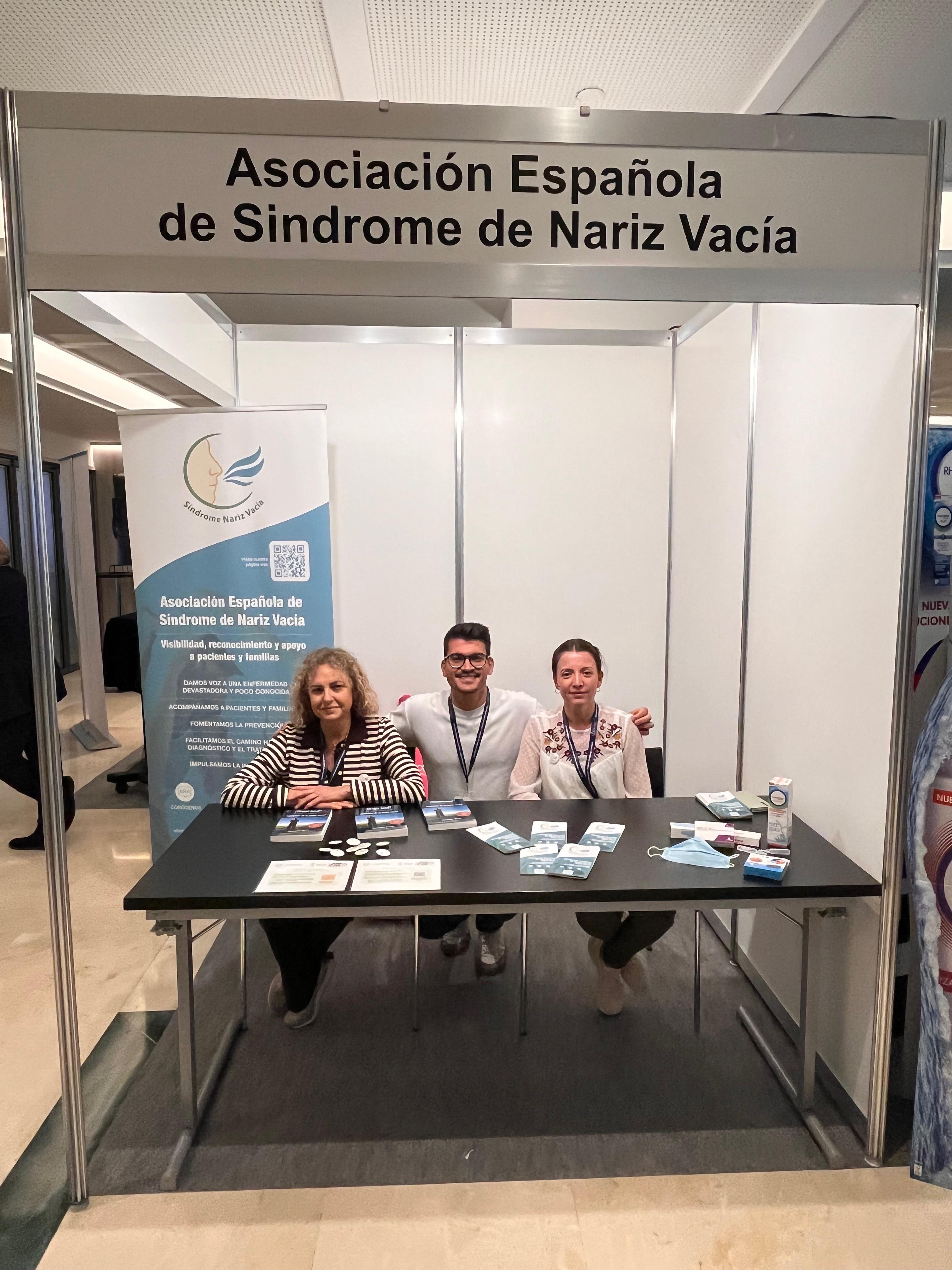
For the organization, joining Share4Rare represents a great opportunity to raise awareness of the disease and connect with a wider community of patients, researchers, and organizations committed to rare diseases.
“We believe that platforms like Share4Rare can help invisible or underrepresented diseases become better understood,” explains Isabel.
Because in rare diseases, shared knowledge, research, and peer support can make a huge difference.
And, as Isabel reminds those who live with this reality: “You are not alone. What you feel deserves to be heard, investigated, and treated with respect.”
You can find more information about the syndrome on the patient organization's website (only in Spanish): https://sindromenarizvacia.org/