
"Knowledge helps patients make informed decisions about their care": Gabriela Avram's journey with a pituitary condition
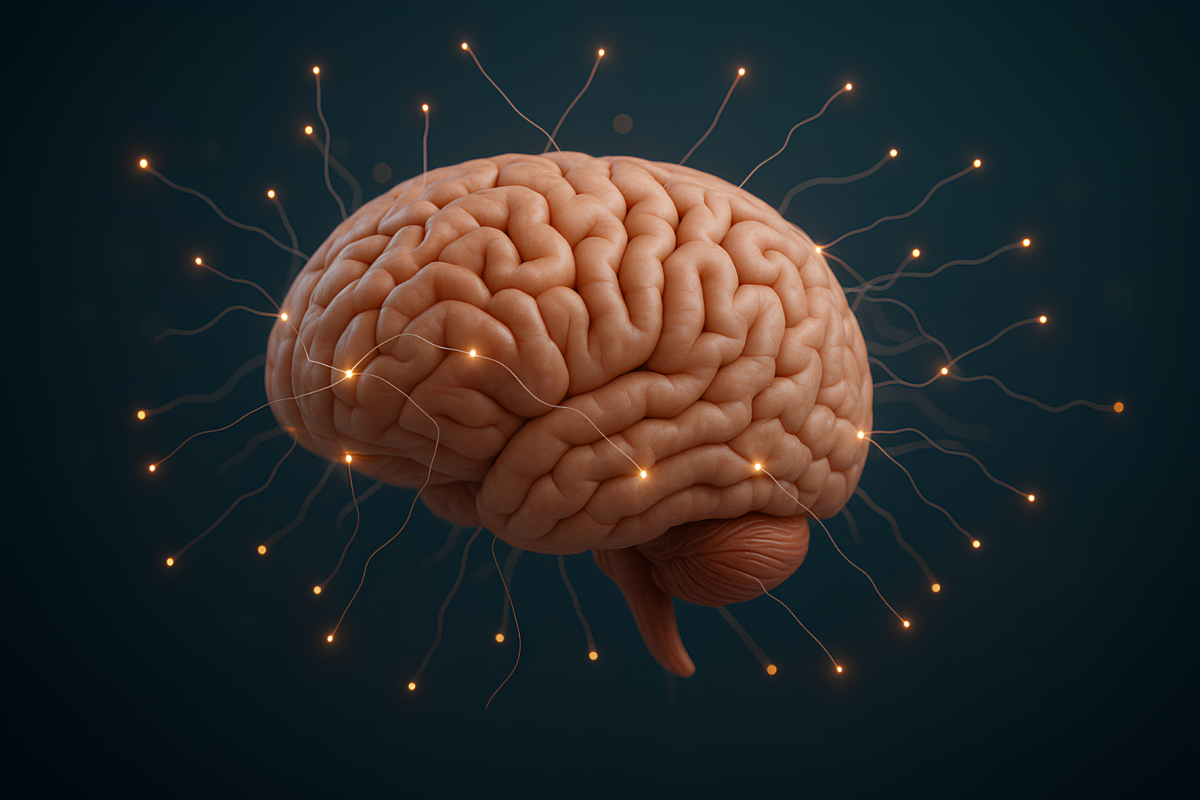
Pituitary conditions are a diverse group of disorders that affect the pituitary gland and its hormone production. Although the pituitary gland is no bigger than a pea, it plays a key role in regulating the body's hormones. When its function is disrupted, the consequences can be far-reaching.
Many of these disorders are considered rare diseases, and they often remain largely unknown and can take years to diagnose. Some examples include acromegaly, Cushing's disease, prolactinomas, and different forms of hypopituitarism.
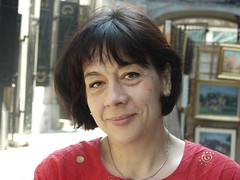
To learn more about these conditions and the challenges faced by people living with them, we spoke with Gabriela Avram, director and board member of the patient organisation Pituitary Ireland, and a person living with acromegaly, who shared her personal experience and her perspective on the needs of the pituitary community.
Could you explain what pituitary conditions are and what they have in common?
Pituitary conditions are disorders that affect the pituitary gland, a small gland located at the base of the brain that plays a central role in regulating many of the body's hormones. Although these conditions are diverse, they are often linked to either an overproduction, like in hyperpituitarism, or an underproduction of hormones, like in hypopituitarism.
In some cases, people also experience symptoms caused by pituitary benign tumours such as adenomas pressing on surrounding structures.

You live with acromegaly. What was your journey to diagnosis like?
I was diagnosed in 2003, although doctors believe I had probably been living with the condition for more than ten years. My first symptoms started during the 1990s, but the doctors dismissed it as stress and fatigue.
I had severe headaches and overwhelming tiredness. My shoe size changed, my wedding ring no longer fit, and people who had not seen me for a while noticed changes in my facial features. Eventually, it was revealed that I had an adenoma that penetrated the bone and grew into my sphenoid sinus, situated below the pituitary gland. The adenoma was producing excess growth hormone, which caused acromegaly.
How has the condition affected your life?
The biggest challenge has been the long-term impact on my health. I underwent surgery in 2004 and initially went into remission, but three years later my hormone levels started to rise again, although there was no detectable new adenoma, and I eventually needed medication.
Today, thanks to treatment, I live an almost normal life. However, acromegaly has left lasting effects. Over the years I have had hip and knee replacements, extensive dental work, treatment for severe atrial fibrillation, and I live with sleep apnea and joint pain.
My mental health is relatively good, but it is impossible not to think about what part of my body will let me down next.
What are the main challenges faced by people living with pituitary conditions?
One of the biggest challenges is the lack of awareness. Diagnoses are often delayed, and many newly diagnosed patients have little information about their condition or the treatments available.
Patient education is extremely important. People need access to reliable information so they can better understand their condition and take an active role in decisions about their care. Better awareness among healthcare professionals and the public would also help patients receive a diagnosis and appropriate support sooner.
What role do patient organisations such as Pituitary Ireland play?
Patient organisations provide a community of people who truly understand what living with a rare condition is like. Connecting with others who share similar experiences has beneficial effects on mental health.
Patient organisations also play an important role in advocating for access to healthcare, raising awareness and ensuring that the perspectives of people with lived experience are represented in discussions about care and research.
How did you become involved with Pituitary Ireland?
I joined the board of Pituitary Ireland in 2025 after graduating from the EUPATI Patient Education course. My main interests are patient education, creating better community support, and having worked in academia previously, getting involved in research projects that could help improve the patient's quality of life.
The organisation is relatively young, and, at the moment, it is still developing its activities in the research field, but building connections with networks such as Share4Rare is an important step towards future collaboration and greater patient engagement.
What do you think needs to improve in the future?
We need greater collaboration between healthcare professionals, researchers and patient organisations. Because many pituitary conditions are rare, international cooperation is essential to improve diagnosis, treatment and research.
Patients should also be better informed and supported throughout their journey, from diagnosis to long-term care. Empowering people with knowledge can help them become more involved in decisions about their health and improve their overall quality of life.
Finally, what message would you like to share with people who have recently received a diagnosis?
You are not alone, and even if things don't look great at the moment, there is hope. We are here for you – ask any questions. You probably can't change your diagnosis, no matter how much you wish this wouldn't have happened to you. What you can do is learn more about your condition, the treatments available, and learn from the experience of others who have gone through similar experiences. Become more involved in your own care and ask informed questions that will help you take the decisions that are right for you.