

An international study finds a link between diet and gastrointestinal symptoms in children with Hirschsprung disease
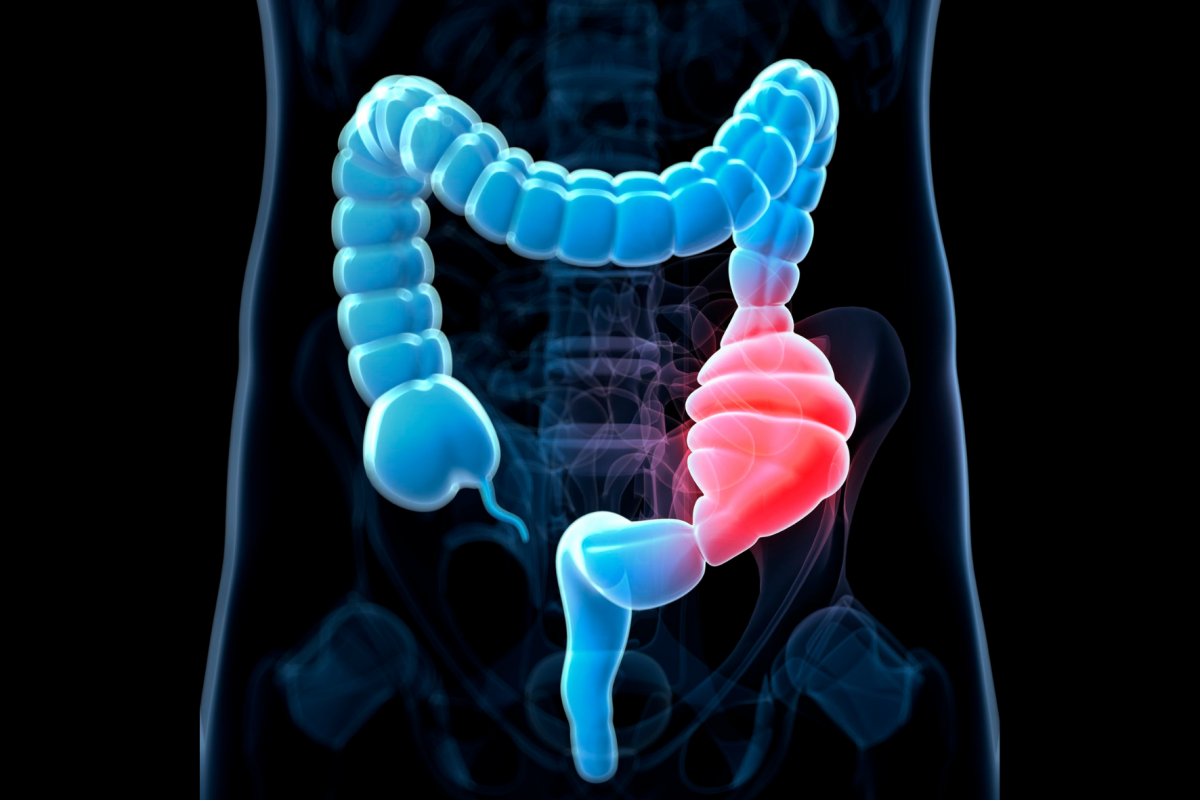
Diet plays an important role in the daily lives of many children and adolescents with Hirschsprung disease. However, there is still limited scientific evidence on how specific foods may influence the gastrointestinal symptoms associated with this condition. A new international study led by Hirschsprung Argentina and conducted with patients from Spain and Latin America provides data that supports what many families have been observing for years.
The research, recently published in the journal Pediatric Surgery International, analyzed dietary habits and gastrointestinal symptoms in 108 children and adolescents with Hirschsprung disease from 11 Spanish-speaking countries. The findings show that eight out of ten families identify specific foods that worsen their children's symptoms, and that two-thirds have modified their diet because of the disease.
A disease that does not end with surgery
Hirschsprung disease is a congenital intestinal disorder characterized by the absence of nerve cells in part of the colon, causing intestinal obstruction. Although surgery can treat the condition, many patients continue to experience long-term complications such as constipation, fecal incontinence, soiling, and abdominal bloating.
-es.png)
Faced with these challenges, many families have reported for years that certain foods seemed to aggravate symptoms. This everyday experience was one of the main motivations behind the study.
As explained by study author Carla Scaramella, leader of Hirschsprung Argentina and Vice President of Asociación Civil Marprung: “Food-related symptoms and the difficulty of managing them are something we had been observing empirically for years. We have a private group of 150 families who continuously shared these challenges, and that was precisely what motivated us to carry out this study.”
What did the researchers find?
The survey revealed that 72% of families had eliminated certain foods from their children's diet, while 66% had changed their eating habits because of the disease. However, only one in three had discussed these dietary changes with a healthcare professional.
The foods most frequently associated with the appearance or worsening of gastrointestinal symptoms were:
- High-sugar foods
- Dairy products
- Legumes
- Fruits
The most commonly reported symptoms were fecal soiling, abdominal bloating, and abdominal cramping.
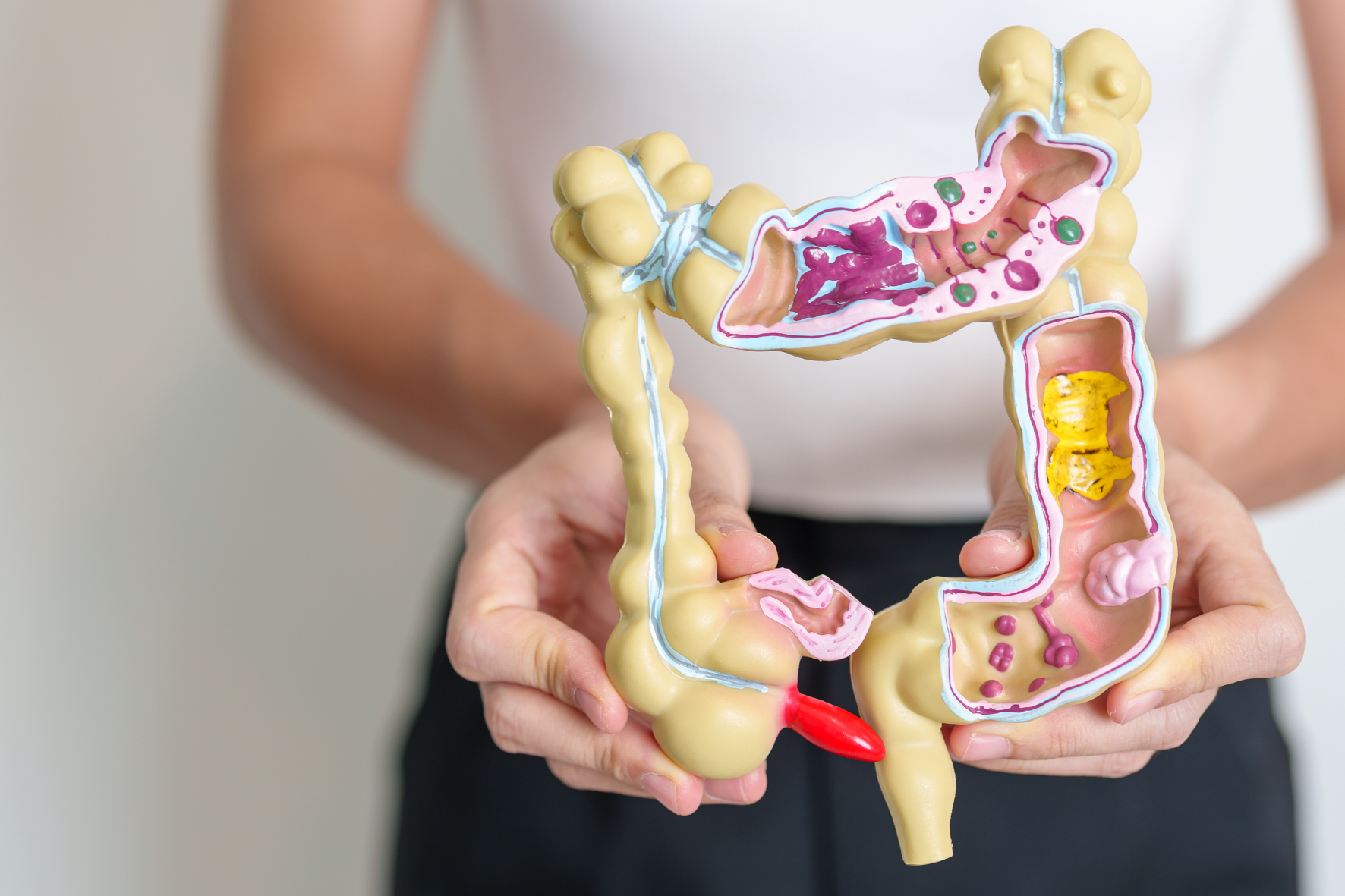
In addition, patients with more extensive forms of the disease, such as small-bowel involvement or total colonic aganglionosis, a severe form of Hirschsprung disease in which the entire colon lacks these nerve cells, experienced a greater burden of food-related symptoms.
More nutritional support and a multidisciplinary approach
Beyond identifying potentially problematic foods, the authors emphasize the need to incorporate specialized nutritional counseling into the routine follow-up of these patients.
According to the lead investigator, the results could have a significant impact on both healthcare professionals and families: “We believe these findings can help professionals better understand the need for a multidisciplinary approach and for systematically referring these patients to pediatric gastroenterology and nutrition specialists. At present, this is not standardized and tends to happen more reactively, once difficulties have already emerged.”
Carla also highlights that the study may help normalize experiences that many families face with uncertainty: “Diet-related challenges are part of the journey of this disease. They do not necessarily mean that there is another problem or that the surgery was unsuccessful. Understanding this can improve adherence to treatment, specialized follow-up, and nutritional recommendations.”
A starting point for future research
The authors emphasize that this study does not establish cause-and-effect relationships between specific foods and symptoms. However, it provides valuable insight into the experiences of patients and their families. The findings may serve as a foundation for future studies evaluating targeted dietary interventions and developing evidence-based recommendations.
Mientras tanto, las asociaciones de pacientes ya están trabajando para trasladar estos hallazgos a profesionales sanitarios y centros especializados.
Meanwhile, patient organizations are already working to share these findings with healthcare professionals and specialized centers.
“The publication has already been shared with pediatric institutions and professionals from scientific organizations, and it will also be presented at the upcoming Argentine Congress of Pediatric Surgery. Our goal is to help ensure that these findings contribute to improvements in multidisciplinary care and in the medium- and long-term management of people living with Hirschsprung disease,” Carla explains.
The researchers conclude that diet should be considered an important component of disease management and that individualized nutritional support may help improve bowel function, growth, and quality of life for patients.
Fuente: Scaramella C, Telborn L, Davidson J, Day H, de Andres Crespo M, Busoni V, Lobos P, Lindert J. Gastrointestinal symptoms and association to food items in children with Hirschsprung disease: a multinational patient-reported outcome study from Latin America and Spain. Pediatric Surgery International. 2026;42:380. https://doi.org/10.1007/s00383-026-06605-1.