
Advanced therapies: a new generation of treatments for rare diseases

For many people affected by a rare disease, finding a therapeutic option remains one of the greatest challenges. In most cases, when an approved treatment is available, it only helps manage symptoms while the underlying cause of the disease remains untreated.
In recent years, however, a new generation of experimental treatments has emerged, capable of targeting the root causes of certain conditions with unprecedented precision. These are known as advanced therapies. They are transforming medicine and creating new opportunities for patients who, until recently, had few or no therapeutic alternatives.
What are advanced therapies?
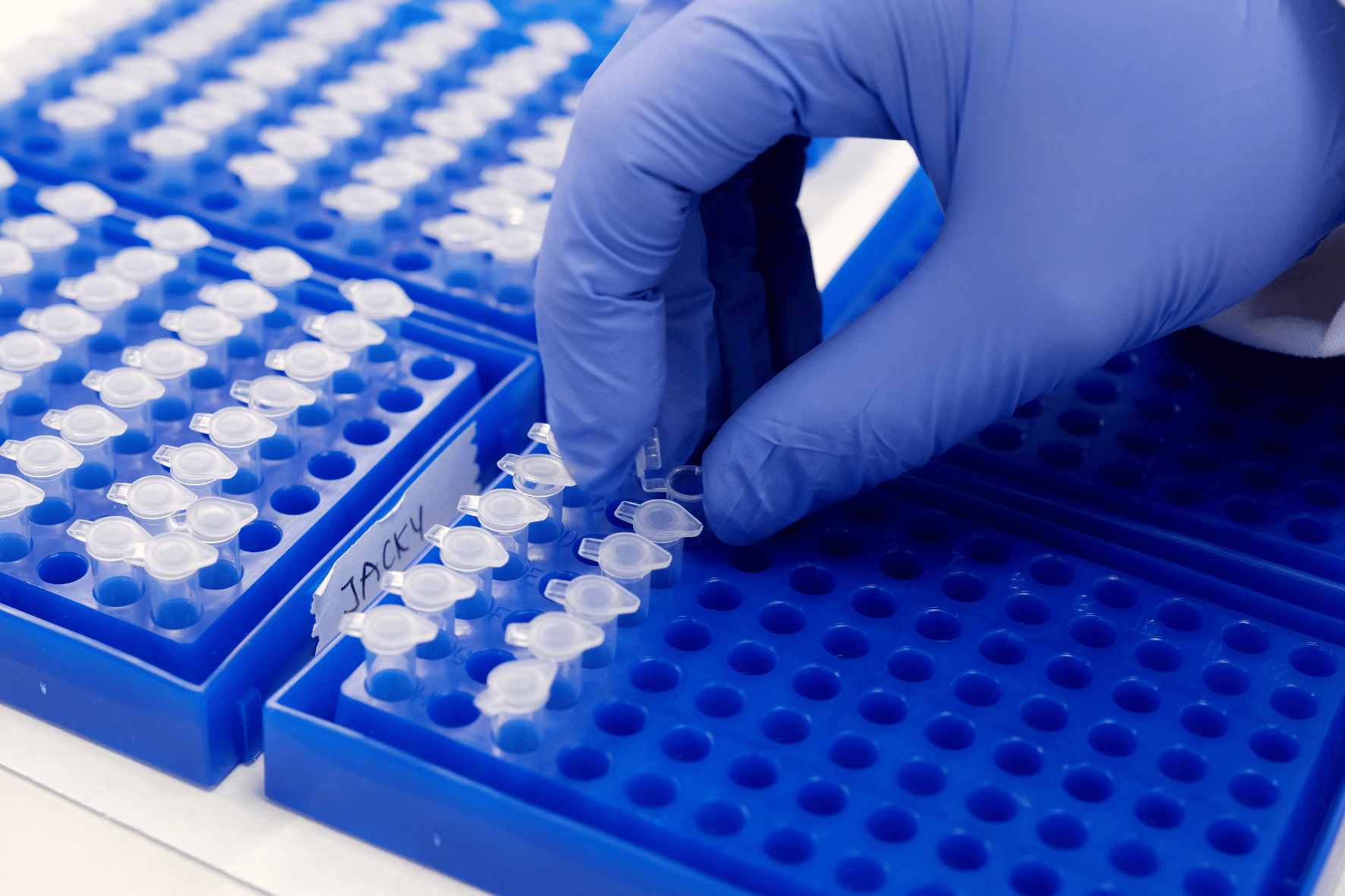
Advanced therapies are innovative treatments based on genes, cells or living tissues that can prevent, treat, or even correct the underlying cause of certain diseases.
Unlike many conventional treatments, which focus on relieving symptoms or slowing disease progression, advanced therapies aim to address the biological mechanisms responsible for the disease itself.
For this reason, they are considered one of the cornerstones of personalized medicine. Their goal is to provide new therapeutic options for serious, complex, or rare conditions that, not long ago, had few or no treatment alternatives.
Advanced therapies are divided into three main categories:
- Gene therapies
- Cell therapies
- Tissue-engineered therapies
Gene therapy: correcting the instructions
To understand gene therapy, it can be helpful to imagine our genes as an instruction manual that tells cells how to function correctly. When one of those instructions contains an error or alteration, disease can emerge.
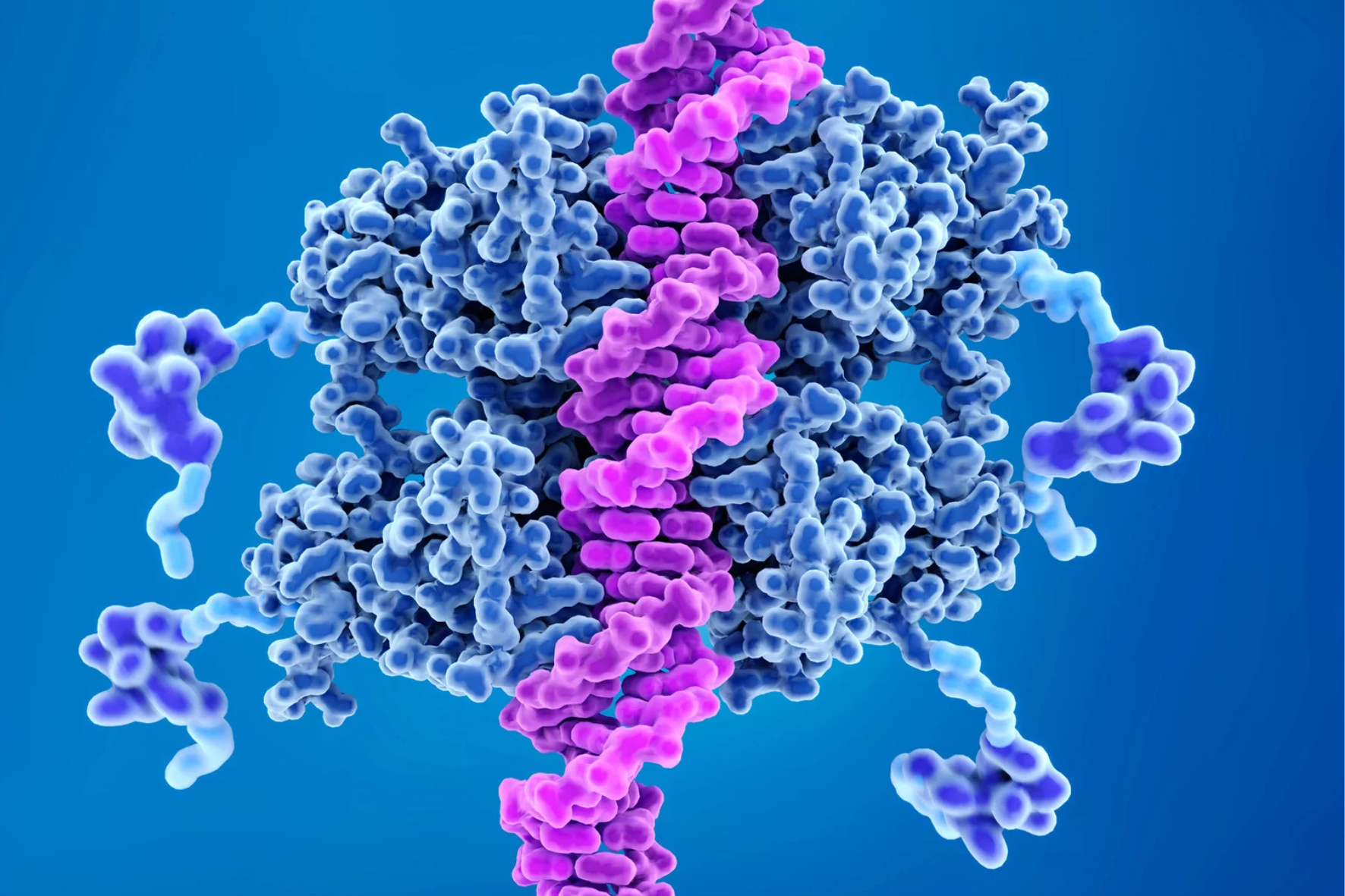
Gene therapy aims to correct that problem by acting directly on a person's genetic material. Depending on the condition, this may involve adding a functional copy of a gene that is not working properly, replacing a defective gene, correcting a specific genetic alteration, or modifying the activity of certain genes.

This approach is particularly promising for rare diseases caused by alterations in a single gene, as it seeks to address the underlying cause of the disease rather than simply treating its symptoms.
Although significant scientific and regulatory challenges remain, advances in genetics and gene-editing technologies such as CRISPR-Cas9 are helping researchers develop potential therapeutic strategies for diseases that, until a few years ago, had no treatment options.
A simple way to think about it: if one of the steps in a recipe contains an error that ruins the final result, gene therapy aims to correct the recipe so the process can work properly again.
Cell therapy: using cells as treatment
Cell therapies use living cells to restore, replace or modify altered biological functions and treat specific diseases. These cells may come from the patient or from a donor and are typically selected, cultured and modified in the laboratory before being administered.
Their purpose can vary widely: replacing damaged cells, restoring impaired biological functions, or helping the body fight a disease. Unlike traditional medicines, which are usually composed of chemical or biological compounds, in cell therapy the cells themselves act as the treatment.
The best-known example: CAR-T therapies
CAR-T therapies are a type of cell therapy that has revolutionized the treatment of certain blood cancers.
In this procedure, healthcare professionals collect T cells from the patient. These immune cells are genetically modified in the laboratory so they can recognize and attack diseased cells. The modified cells are then infused back into the patient, where they act as a "personalized army" capable of locating and destroying their target.

Currently, CAR-T therapies are showing promising results in severe autoimmune diseases and certain hematologic cancers, and they continue to be investigated for other types of cancer and for rare diseases.
A simple comparison: while a conventional medicine is like giving the same tool to every patient, a CAR-T therapy is more like training living cells to carry out a specific mission inside the body.
Tissue engineering: repairing or rebuilding damaged tissues
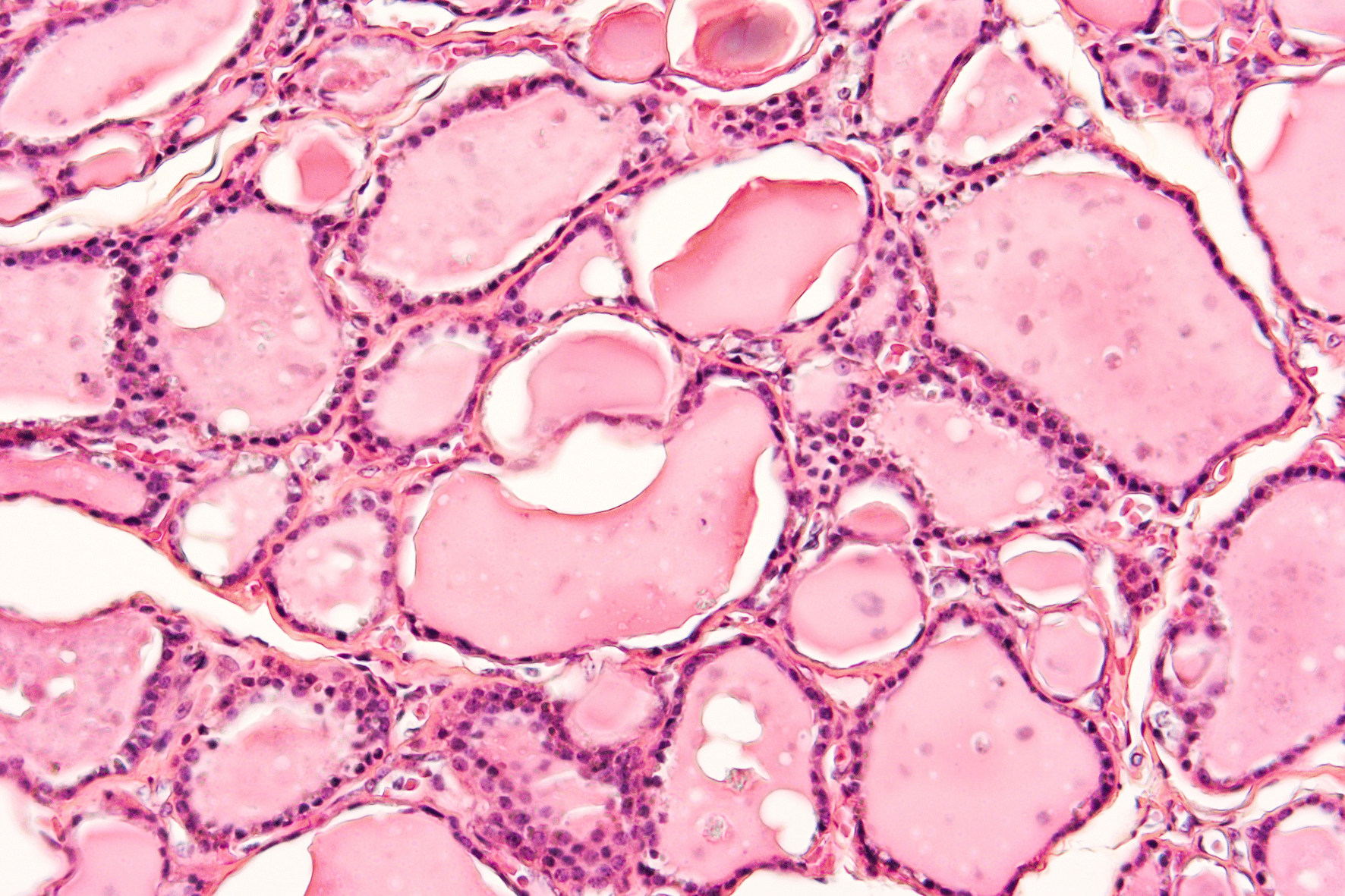
The third major category of advanced therapies is tissue engineering. Its goal is to regenerate, repair or replace damaged tissues using a combination of cells, biomaterials and bioengineering techniques.
Unlike gene therapy, which targets the genetic instructions within cells, or cell therapy, which uses living cells as a treatment, tissue engineering focuses on restoring structures in the body that have been damaged by disease, injury or congenital conditions.
Although it is often the least well known category, tissue engineering is one of the most innovative areas of regenerative medicine. It has promising applications in skin regeneration, cartilage repair and the reconstruction of other damaged tissues.
One way to understand it: if we imagine a damaged house, gene therapy would correct errors in the blueprints, cell therapy would provide specialized workers to carry out a specific task, and tissue engineering would repair or rebuild the damaged parts of the building so it can function properly once again.
Why do genetic rare diseases need new solutions?
Around 80% of rare diseases have a genetic origin. This means they are caused by alterations in DNA, or mutations, that affect the normal functioning of the body. Understanding these changes can help researchers develop treatments that target the root cause of the disease.
However, developing therapies for these conditions is far from simple. More than 7,000 rare diseases have been identified worldwide, many of which affect only a small number of people. In addition, even two patients with the same diagnosis may have different mutations and different clinical manifestations. This enormous diversity poses a major challenge for research and treatment development.
Other obstacles include delayed diagnosis and the high costs associated with research, development and manufacturing, which have historically limited investment in many rare diseases.
This is precisely why advanced therapies represent such a unique opportunity. Thanks to advances in genetics, molecular biology and immunology, it is now possible to design highly personalized treatments tailored to the characteristics of each disease and, in some cases, of each individual patient. As a result, advanced therapies have become one of the most active areas of research in rare diseases.
From the lab to the patient: why specialized facilities are needed
Developing an advanced therapy involves much more than discovering a new treatment. Before reaching patients, these therapies must undergo years of research, demonstrate that they are safe and effective, and be manufactured according to strict quality standards.
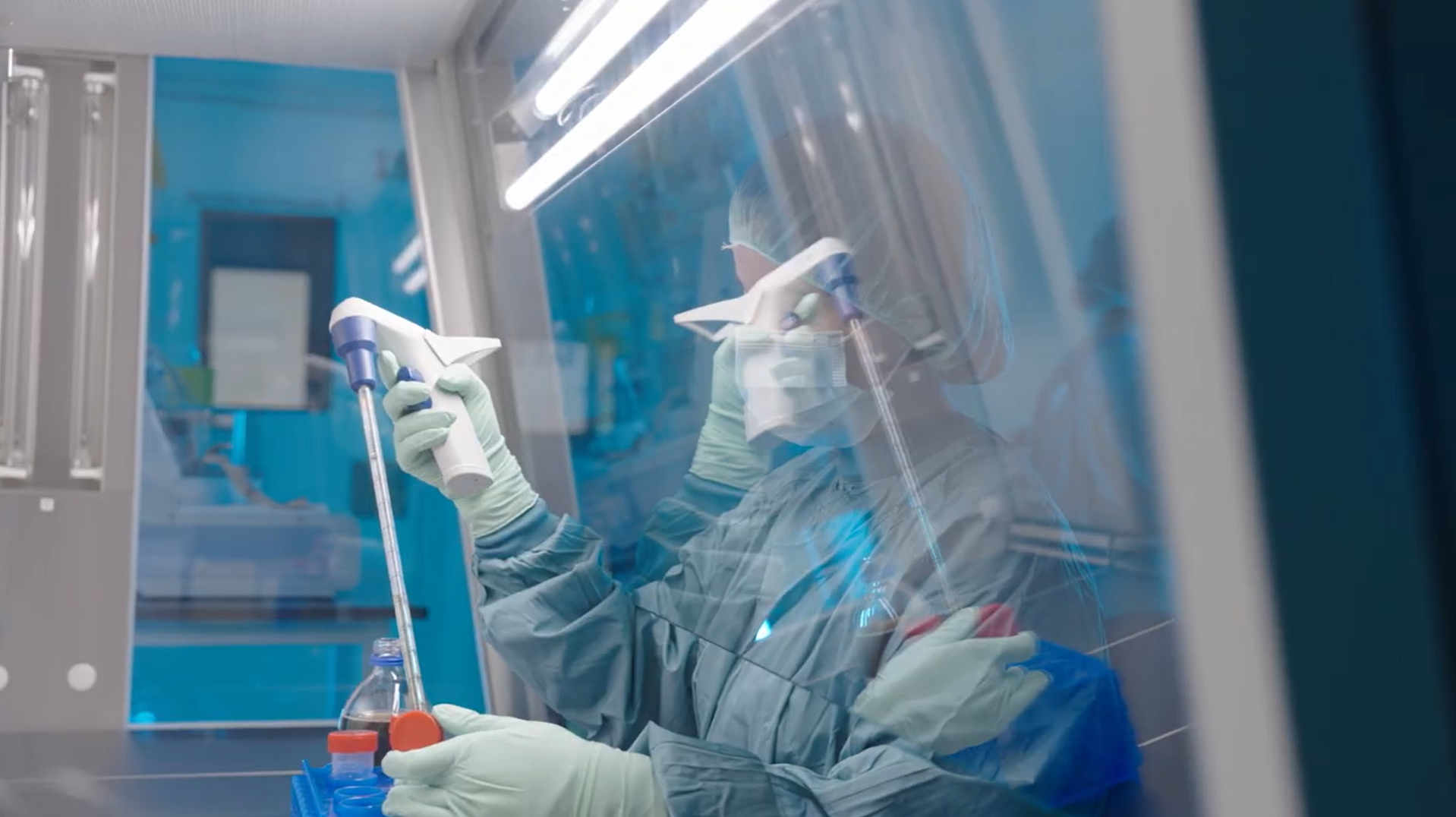
Because advanced therapies work with biological materials such as cells, genes and living tissues, their production requires highly controlled conditions. For this reason, they are developed in specialized facilities known as clean rooms, designed to minimize particles, microorganisms and any other source of contamination that could affect product quality or patient safety.
To help bring these innovations to patients, Hospital Sant Joan de Déu Barcelona has established the Advanced Therapies Platform (ATP), a specialized facility dedicated to the development and production of advanced therapies. The platform includes clean rooms, research laboratories and dedicated storage facilities that help transform scientific discoveries into therapies ready for clinical use. Its goal is to accelerate access to these innovations, particularly for patients with rare and complex diseases.
To sum up, advanced therapies are opening new possibilities for diseases that, until recently, had few or no treatment options. However, this remains a rapidly evolving field. While some treatments have already achieved highly promising results and even long-lasting benefits for certain patients, many of these approaches are still experimental and require further research to confirm their safety, effectiveness and broader applicability. Nevertheless, their potential to transform the treatment of rare diseases makes advanced therapies one of the most promising areas of medicine today.